

What is the FATF Travel Rule?
The Financial Action Task Force (FATF) established the Travel Rule to enhance transparency in digital currency transactions. As global digital currency trading expands, regulatory compliance, particularly for cryptocurrency exchanges, has become critical. You might be wondering, ‘Why is this rule significant for my digital currency transactions?’ Recent statistics show that only about 15% of crypto exchanges are fully compliant with these regulations.
Why Do Exchanges Need to Comply?
Compliance with the FATF Travel Rule is essential for exchanges to mitigate the risks linked to money laundering and terrorist financing. For instance, exchanges operating in regions like Singapore face stringent regulatory scrutiny. Compliance helps protect the integrity of the platform and ensures customer trust. Imagine you have your money in a safe; if that safe doesn’t have a robust lock, your funds are at risk.
How the Travel Rule Affects Transactions
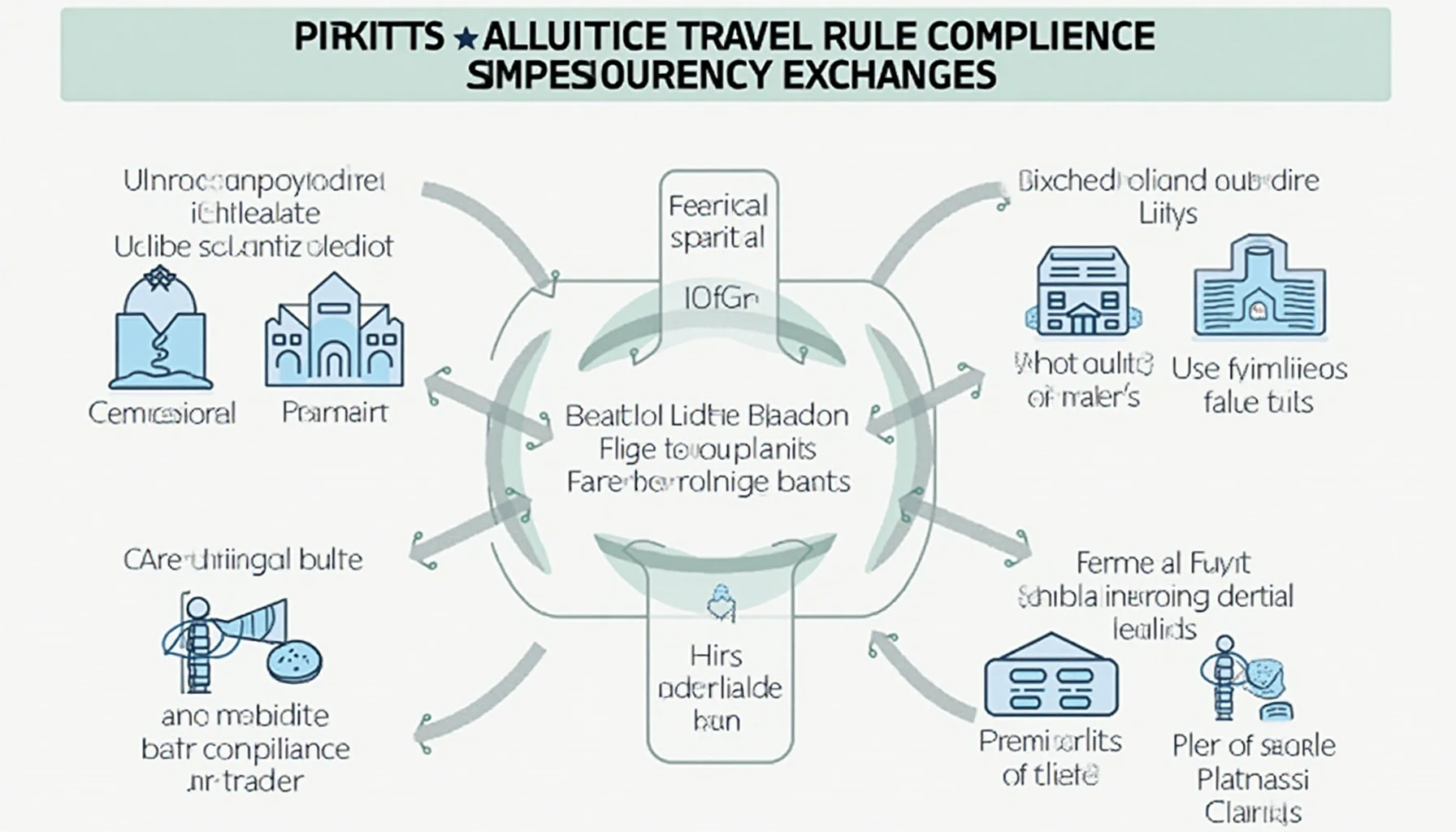
- Data Collection: Exchanges must collect specific information about the sender and recipient during transactions.
- Information Sharing: There’s a need for cross-border sharing of this data with other financial institutions to comply with regulations.
For users, this means greater transparency but possibly longer transaction times as these requirements are met.
What Challenges Do Exchanges Face in Compliance?
Exchanges often encounter significant hurdles, including:
- Technical Limits: Many platforms lack the infrastructure to support the required data handling.
- Cost Implications: Implementing compliant systems can be expensive and may lead to increased fees for users.
Envision a scenario where a new regulation needs immediate implementation; many exchanges might struggle to adjust their systems in time, leading to compliance lapses.
The Future of FATF Compliance
As we look towards the end of 2025, it’s expected that compliance levels will rise as exchanges adopt better technologies. According to a report from Chainalysis, we might see a 40% growth in transaction volume across the Asia-Pacific region driven by compliance efforts. Authorities could also introduce stricter penalties for non-compliance, pushing exchanges to prioritize these regulations.
So, what can you do as a digital currency holder? Stay informed about which exchanges comply with the FATF Travel Rule, ensuring your funds are secure.
Conclusion
Understanding FATF Travel Rule compliance is crucial for both users and exchanges in the realm of digital currency trading. Adhering to these regulations not only protects your assets but also contributes to a safer trading environment. Stay informed, choose compliant platforms, and enhance your digital trading experience today!
Disclaimer: This article is for informational purposes only and does not constitute investment advice. Always consult local regulatory bodies for guidance on compliance.
For more insights on digital currency trading tips or to learn about blockchain technology, check out our other articles!