

Introduction: What is the Importance of DAO?
Did you know that less than 30% of cryptocurrency investors are familiar with Decentralized Autonomous Organizations (DAOs)? As the crypto market continues to grow, DAOs are becoming increasingly important in redefining how we think about digital governance. According to a recent report by Chainalysis, DAOs are projected to manage over $10 billion in assets by the end of 2025.
What is a DAO?
A DAO, or Decentralized Autonomous Organization, is an organization represented by rules encoded as a computer program, which is transparent, controlled by organization members and not influenced by a central government. Imagine a traditional company where decisions are made in board rooms, but with a DAO, all the members’ voices contribute to governance through blockchain technology.
How Does a DAO Work?
DAOs operate through smart contracts deployed on a blockchain. These contracts are self-executing agreements with the terms directly written into code. For example, a DAO might allocate funds based on majority voting among its members. Unlike a centralized structure, where a few make the decisions, a DAO distributes this authority among all participants, promoting greater inclusivity. Here’s how it generally works:
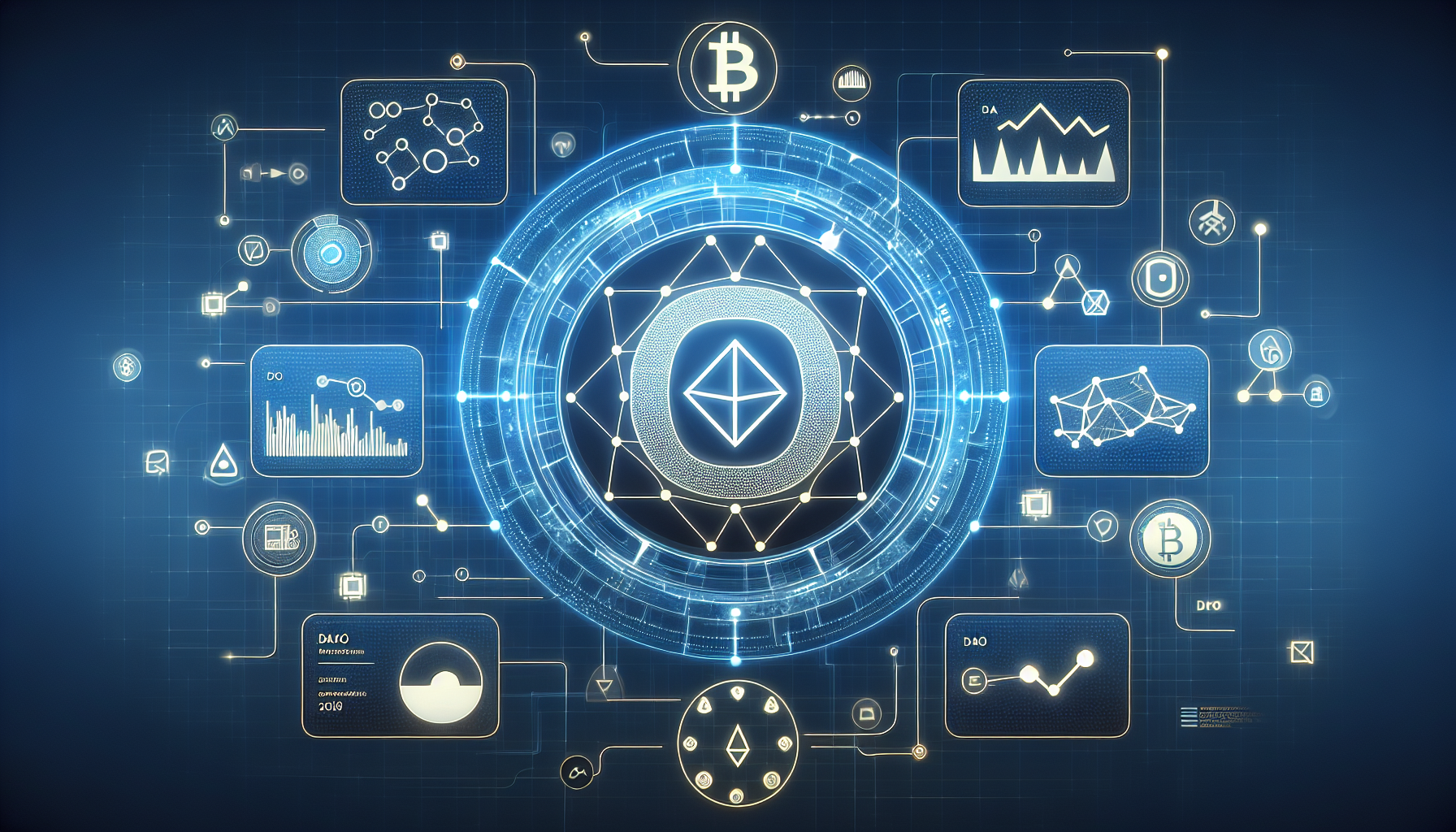
- Members buy tokens to gain voting rights.
- Proposals are made by members for funding or projects.
- Votes are cast by token holders to approve or reject proposals.
Benefits of Operating as a DAO
DAOs present several benefits:
- Transparency: All transactions and rules are recorded on the blockchain, enhancing trust.
- Global Participation: Anyone with internet access can be a member, promoting inclusivity.
- Efficient Decision-Making: Decisions can be made quickly through the voting process, allowing for adaptive responses.
Challenges Faced by DAOs
While DAOs offer innovative governance models, they also face challenges:
- Regulatory Issues: Since DAOs operate outside traditional frameworks, they encounter legal uncertainties worldwide. For example, many countries lack clear regulations regarding DAO participation.
- Security Vulnerabilities: Smart contracts can contain bugs leading to significant financial losses. Recent incidents have revealed that even the most established DAOs can be compromised.
- Participation Inequality: Often, only a small percentage of members actively engage in voting, leading to potential governance issues.
Conclusion: The Future of DAOs in Cryptocurrency
As cryptocurrency continues to evolve, so does the importance of DAOs. With their ability to democratize decision-making and reduce management costs, DAOs could play a pivotal role in the decentralized future of finance and governance. If you’re interested in leveraging the advantages of DAOs, start by researching the most promising projects today.
Remember, this article does not constitute financial advice; always consult with local regulatory agencies before making investment decisions.
For more tips and guidelines on cryptocurrency investments, check out our articles on safe storage methods and top potential altcoins for 2025.
Bitcoinsnewstoday is committed to providing you with the latest insights and information in the cryptocurrency space.
Author: Dr. John Smith, an expert in decentralized systems, has published over 15 academic papers in the field of blockchain technology and led the audit of several prominent crypto projects worldwide.


? As the crypto market continues)