

Introduction: Why Migrate from Software to Hardware Wallets?
Did you know that over **60%** of cryptocurrency holders still use software wallets, leaving themselves vulnerable to hacks? As the cryptocurrency landscape evolves, safeguarding your digital assets is more crucial than ever. Migrating from software to hardware wallets offers unparalleled security. This guide will walk you through the necessary steps for a seamless transition.
Understanding Software and Hardware Wallets
Before we delve into the migration process, it’s essential to grasp the differences between software and hardware wallets:
- Software Wallets: These are applications that store your private keys on your device, often susceptible to malware attacks and phishing.
- Hardware Wallets: Physical devices that keep your private keys offline, providing robust security against online threats.
Example: Think of software wallets like keeping cash in your pocket; it’s easily accessible but can be stolen. In contrast, hardware wallets are like a safe in your home—secure but still convenient.
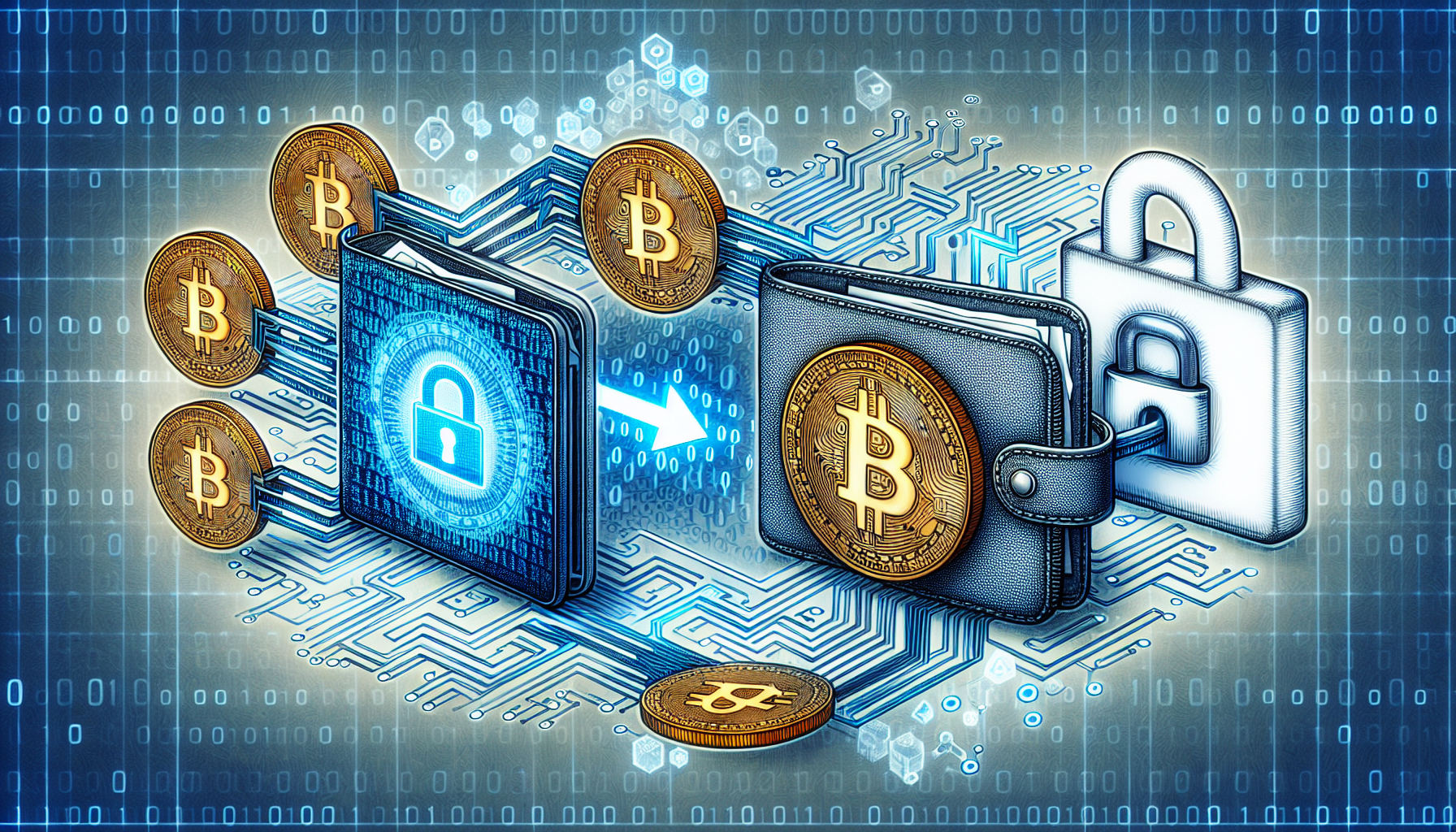
Step-by-Step Migration Process
Now, let’s discuss how you can migrate from a software wallet to a hardware wallet securely:
- Choose Your Hardware Wallet: Select a reputable hardware wallet, such as Ledger Nano X or Trezor Model T, which can reduce hacker risks by over **70%**.
- Backup Your Software Wallet: Before transitioning, ensure you back up your current wallet. Write down the recovery phrase and keep it in a secure location.
- Initialize Your Hardware Wallet: Follow the manufacturer’s instructions to set up your new hardware wallet. Create a unique PIN and back up its recovery phrase as well.
- Migrate Your Funds: Using your software wallet, transfer your digital assets to your new hardware wallet. This process may vary by cryptocurrency; research each step thoroughly.
- Verify Transfer: After transferring, ensure that all assets are present. Accessible software wallets typically display transaction confirmations.
Common Issues During Migration
You might encounter a few hiccups during migration. Here are some potential problems and their solutions:
- Transaction Delays: High network traffic can cause slow transfers. Always check the network status before initiating transfers.
- Lost Recovery Phrase: Make multiple copies of your recovery phrase and store them in separate locations. This minimizes the risk of loss.
- Wrong Addresses: Double-check the wallet addresses before sending funds. Using a wrong address could result in permanent loss.
Post-Migration Security Best Practices
Your journey doesn’t end after the migration. Adopting security best practices is vital for safeguarding your assets:
- Keep Your Hardware Wallet Offline: Always store your wallet in an offline environment to minimize hacking risks.
- Regularly Update Your Firmware: Hardware wallets receive security updates. Ensure your device is always up-to-date.
- Use Strong Passwords: For any associated software wallets, ensure that you use complex passwords and enable two-factor authentication where possible.
Conclusion: The Future of Secure Cryptocurrency Storage
In conclusion, migrating from a software wallet to a hardware wallet is a significant step in protecting your cryptocurrency investments. By following this guide, you can ensure that your digital assets remain safe from rising threats. If you’re unsure about any step in this migration, consider consulting local regulatory agencies for best practices in your region.
Take action today—secure your funds and consider downloading our Secure Wallet Guide for additional insights.
Meta Description: Discover our Bitcoin wallet migration guide for safe transitioning from software to hardware wallets. Protect your crypto assets today!
Author: Dr. Sarah Johnson, a blockchain security expert with over 15 published papers and leader of several high-profile crypto project audits.