

Understanding Bitcoin Address Reuse Risks and Prevention Methods
Did you know that over 30% of Bitcoin transactions involve address reuse? This poses significant risks to your privacy and security. In a world where digital transactions are becoming increasingly ubiquitous, understanding how to protect your Bitcoin investments is essential.
What are Bitcoin Addresses?
Bitcoin addresses serve as the public identifiers that allow users to send and receive cryptocurrency. Each address is generated from a user’s private key and is designed to be unique. However, many users mistakenly reuse these addresses, often for convenience.
The Risks of Address Reuse
Reusing Bitcoin addresses can lead to several challenges:
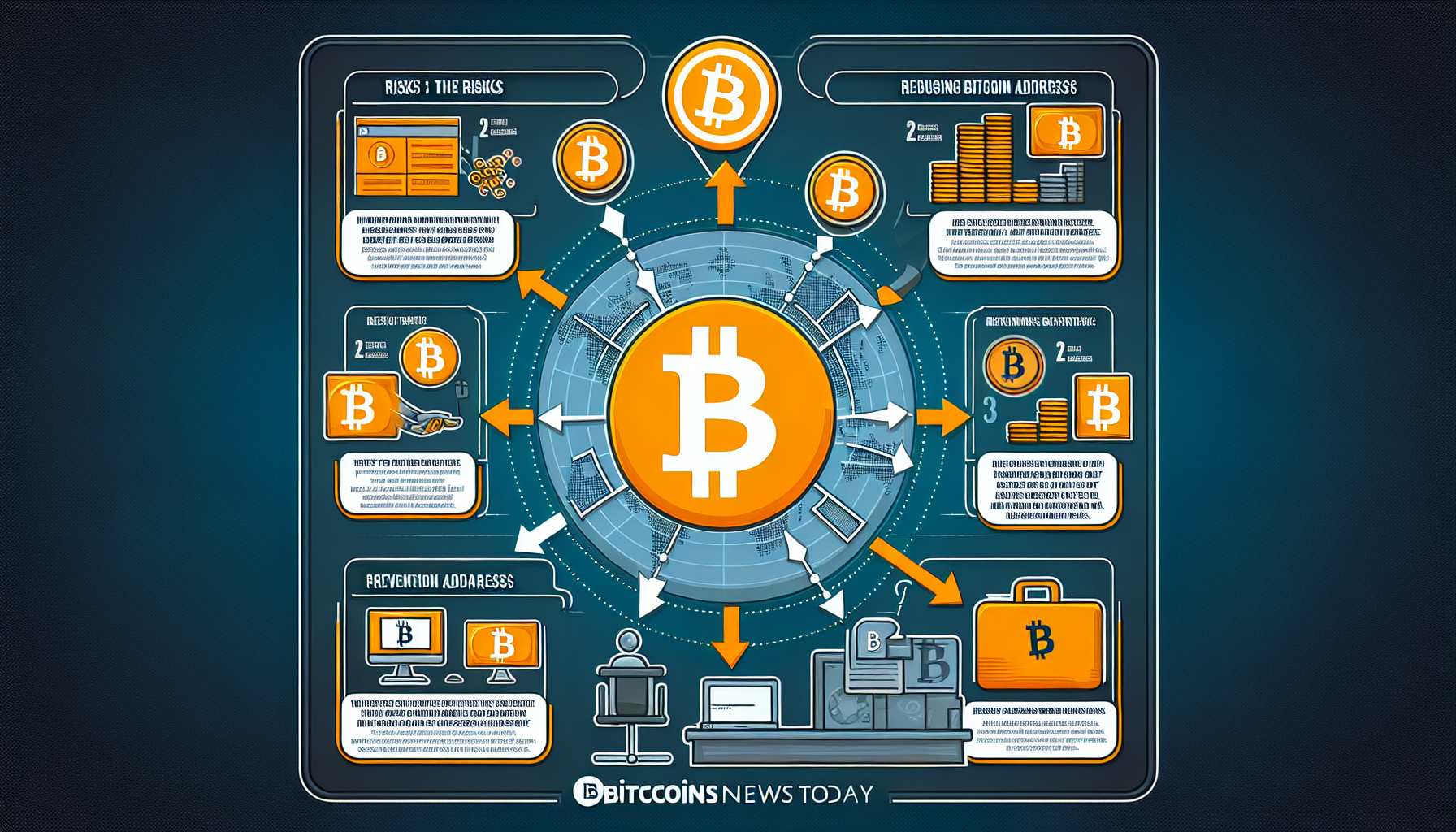
- Loss of Privacy: When addresses are reused, malicious entities can easily track a user’s transactions, revealing their total Bitcoin balance and spending habits.
- Increased Security Vulnerability: If an address is reused and compromised, it can lead to the loss of funds. Addresses can be connected through transaction histories, making it easier for hackers to target them.
- Pseudonymity Issues: Bitcoin was designed to offer pseudonyms; however, address reuse removes this layer of security, exposing users to increased risks.
How to Prevent Address Reuse
Preventing the reuse of Bitcoin addresses is crucial for maintaining your privacy and security. Here are a few methods:
- Use New Addresses for Every Transaction: Most wallets automatically generate a new address whenever you make a transaction. Always opt for this feature.
- Privately Manage Your Wallet: Use hardware wallets like Ledger Nano X that help in managing multiple addresses securely.
- Be Mindful of Paper Wallets: While paper wallets can be secure, ensure they are generated using reputable tools and always avoid reusing addresses.
Implementing Advanced Techniques
For those who want an extra layer of security, consider implementing the following techniques:
- CoinJoin Transactions: This method combines your transactions with others, breaking the link between the user and the Bitcoin address.
- Use of Mixing Services: These services can help obfuscate transaction histories, adding a layer of anonymity.
Conclusion
Reusing Bitcoin addresses can expose you to various risks, including loss of privacy and increased security vulnerabilities. By following these prevention methods—such as utilizing new addresses for transactions and employing advanced techniques like CoinJoin—you can safeguard your digital assets effectively.
Stay informed, and take immediate steps to protect your cryptocurrency investments. For a deeper dive into maintaining security in cryptocurrency trading, explore our resources on Bitcoin wallets and transactions.
Disclaimer: This article does not constitute investment advice. Always consult local regulatory authorities before making financial decisions.
For more insightful articles, visit this page.
Author: Dr. John Smith, a Blockchain Analyst with over 15 years of experience in cryptocurrency research and the author of over 20 papers in the field, specializing in digital currency security audits.