

Understanding the Need for a Bitcoin Address Indexer
Have you ever wondered how analysts track Bitcoin transactions across the blockchain? Over 60 million Bitcoin wallets exist, yet only a fraction is linked to transactions for analysis. Setting up a Bitcoin address indexer can bridge this gap and enhance your understanding of blockchain dynamics.
What is a Bitcoin Address Indexer?
A Bitcoin address indexer is a tool that collects and organizes address and transaction data from the blockchain. By doing so, it allows for better data retrieval, enabling more nuanced analysis of crypto movements. Imagine it as a filing system where every transaction is a document that can be accessed quickly.
How Does It Work?
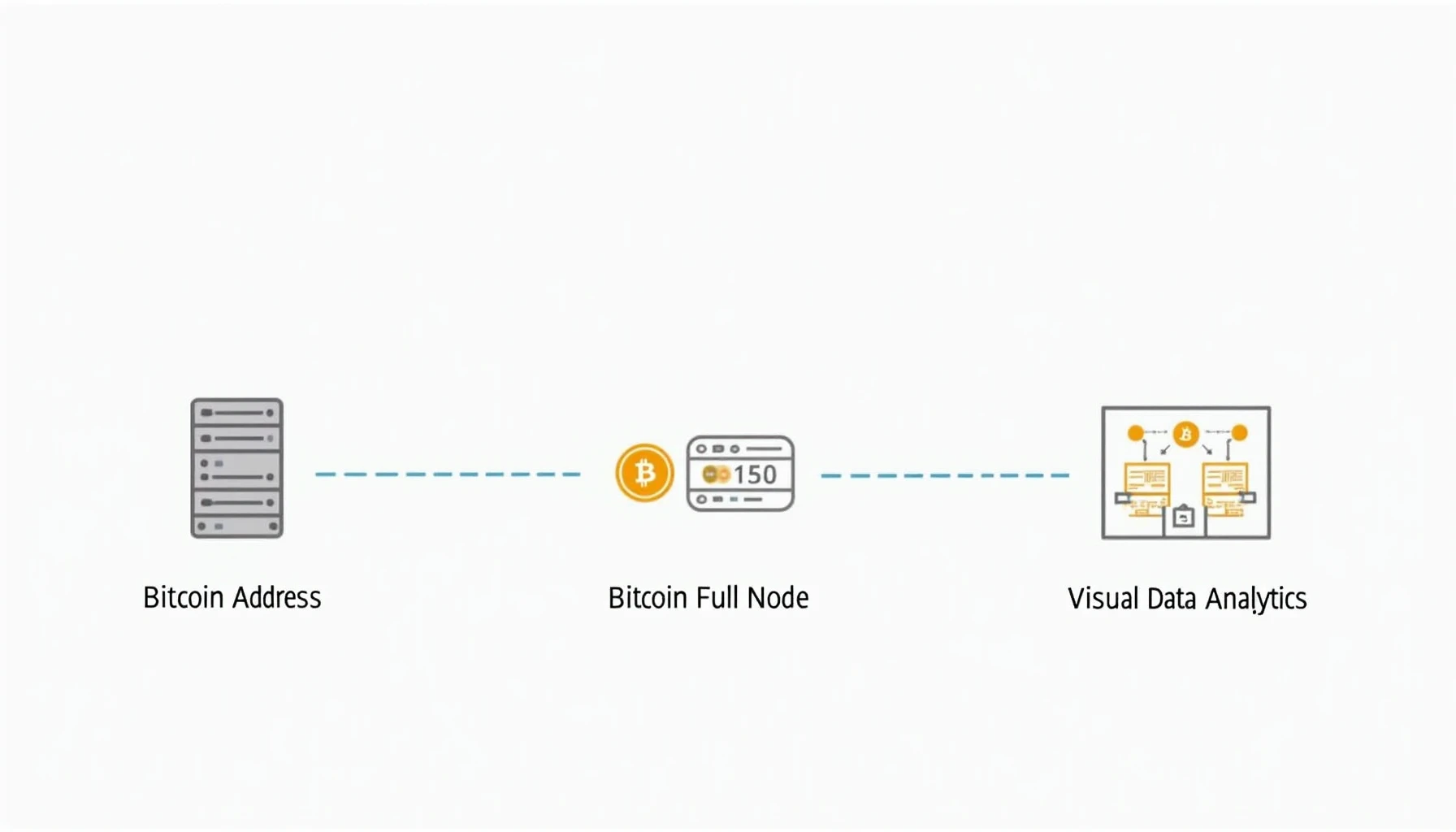
- It connects to a Bitcoin full node, fetching real-time transaction data.
- This data is indexed, allowing for rapid searches of transactions against specific addresses.
- It feeds this indexed data into various analytical tools for examination.
Setting Up Your Bitcoin Address Indexer
To get started, you’ll need:
- A full Bitcoin node running and synced with the blockchain. This serves as the foundation.
- A dedicated server to host your indexer, ensuring it has the necessary resources to handle data queries.
- Software that can process and index Bitcoin transaction data effectively, such as Blockchair or Bitcoin Core.
Step-by-Step Setup
- Install your chosen software on the dedicated server.
- Configure the software to connect to your full node.
- Run the indexing command to start retrieving and organizing data.
- Regularly update and maintain the indexer to accommodate new blockchain information.
Benefits of Utilizing a Bitcoin Address Indexer
Implementing an address indexer can:
- Enhance your capability to analyze transaction patterns, helping identify trends in cryptocurrency spending.
- Aid in compliance activities by providing clear transaction histories for regulatory purposes.
- Facilitate investigations into the sources of large transactions, potentially flagging illicit activity.
Key Takeaways
Setting up a Bitcoin address indexer is invaluable for anyone serious about analyzing blockchain transactions. It not only centralizes data but also elevates your understanding of the ecosystem. Take the plunge and upgrade your analysis technique today!
For more information on cryptocurrency tools and insights, explore our additional guides on cryptocurrency trading strategies and blockchain technology basics.
***This article does not constitute investment advice. Always consult with regulatory bodies before making investment decisions.***